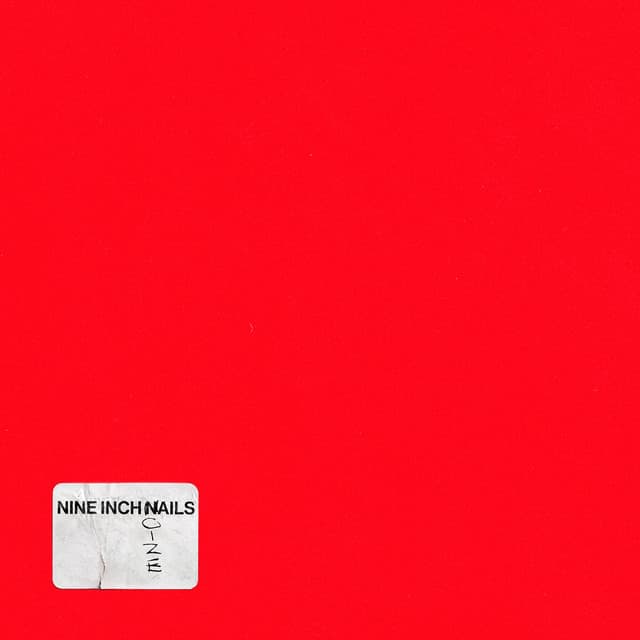
Nine Inch Noize
Nine Inch Nails & Boys Noize





Trent Reznor has spent 38 years threading a needle between machines and flesh. The whole NIN project has always lived in the tension between a synth pushed until it screams like a guitar and a guitar distorted until it sounds like a machine breaking down, with the human voice or a live drum kit cutting through to remind you a person made this. On Nine Inch Noize, released today as Halo 38 via The Null Corporation and Boysnoize Records, Reznor and Atticus Ross team up with German-Iraqi producer Alexander Ridha (better known as Boys Noize) and remove that human escape hatch on purpose. The result is the most fully electronic thing Reznor has ever put his name on, and it absolutely rips.
The collaboration has been building for a while. Ridha remixed the Challengers score into a continuous dance mix in 2024, did additional production on the Tron: Ares soundtrack in 2025 (including the Grammy-winning "As Alive As You Need Me To Be"), and then became a live fixture on the Peel It Back Tour, where Reznor and Ross would migrate to a B-stage mid-set and reimagine NIN cuts as full-on club tracks with him. When Nine Inch Noize took the Sahara stage at Coachella, they played what was essentially the tracklist of an album nobody had heard yet. Twelve tracks, forty-six minutes of rebuilt post-Year Zero cuts, two Downward Spiral outliers in "Heresy" and "Closer," a long-dormant Soft Cell cover of "Memorabilia," and a reimagining of "Parasite" from Reznor and Mariqueen Maandig's How to Destroy Angels project. Maandig sings lead and backing across a chunk of the record, and her presence changes the temperature on "Heresy," which now feels less like a snarl and more like a seduction. "Closer" gets slapback synths and cracking snares that somehow make the hook hit harder than the 1994 original.
What's most interesting about Nine Inch Noize is the recording approach. Reznor has said bluntly the album was tracked "all over the place. Some of it's live, some in studios, hotels, planes, etc." That's not a marketing line. You can hear the seams, and the seams are the point. Vocal takes and crowd noise from the Coachella set are baked directly into the final mix. The opening track is a wall of audience cheering that bleeds into the throbbing groove of "Vessel," at which point the window to the outside world slams shut. It is genuinely hard to tell which sonic elements were lifted from the original recordings, which were rebuilt from scratch, and which were captured live on a Sahara stage in front of fifty thousand people. The seamlessness is an engineering feat. These are three of the most technically obsessive producers in modern music working together, and the album sounds exactly like what three producers who obsess over every transient sound make when they decide to stop obsessing and just push record wherever they happen to be.
There will not be a tour. Reznor said this is a one-off, that this weekend's Coachella repeat is the end of Nine Inch Noize as a live act, and that Monday morning he goes back to work on new Nine Inch Nails music. That limitation is what makes Nine Inch Noize feel less like a detour and more like a document. It is the sound of three artists at the absolute peak of their powers making something disposable on purpose, knowing it won't happen again, and somehow producing one of the most alive and unhinged records you'll hear all year. Listen loud.
“"Three of the most technically obsessive producers in modern music decided to stop obsessing and just push record wherever they happened to be."”
Credits
Nine Inch Noize: Trent Reznor, Atticus Ross, Alexander Ridha (Boys Noize)
Additional vocals: Mariqueen Maandig Reznor
Released via The Null Corporation and Boysnoize Records (Halo 38)
Distributed through Interscope Records
Recorded in studios, hotels, planes, and live at Coachella 2026
Mix and production: Reznor, Ross, and Ridha
More Featured Releases
Lost Weekend
Phoebe Bridgers
Berg, Gruska, Antonoff and Alex G Build Phoebe Bridgers a Bigger Room
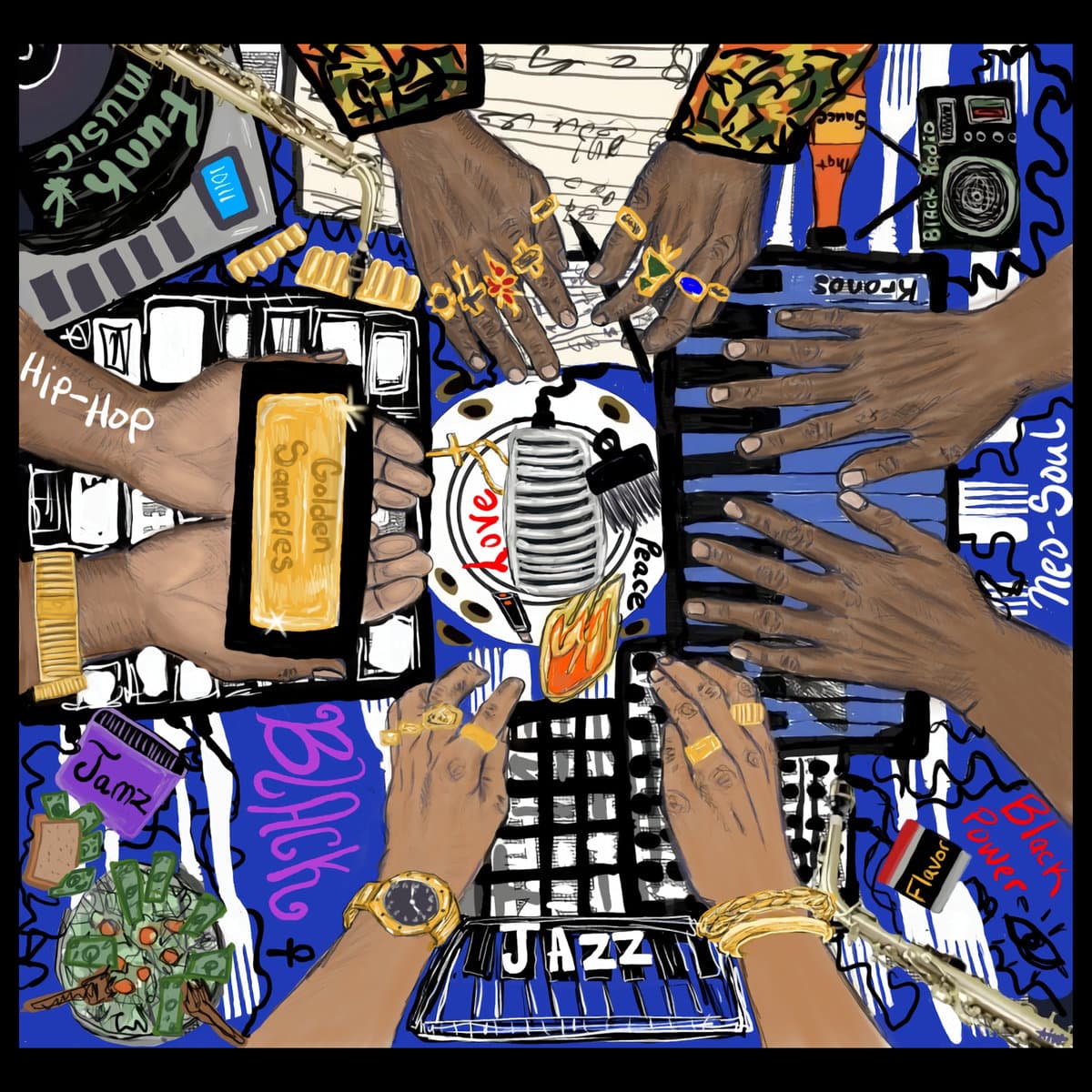
Whatchu Bringing?
Dinner Party
Glasper, Kamasi, Terrace Martin and 9th Wonder Come Back for Seconds
Remember The Humans
Broken Social Scene
Broken Social Scene and David Newfeld Find Their Way Back to Each Other on Remember The Humans